


What Is Kibard? A Complete and Easy Guide for Everyday Users

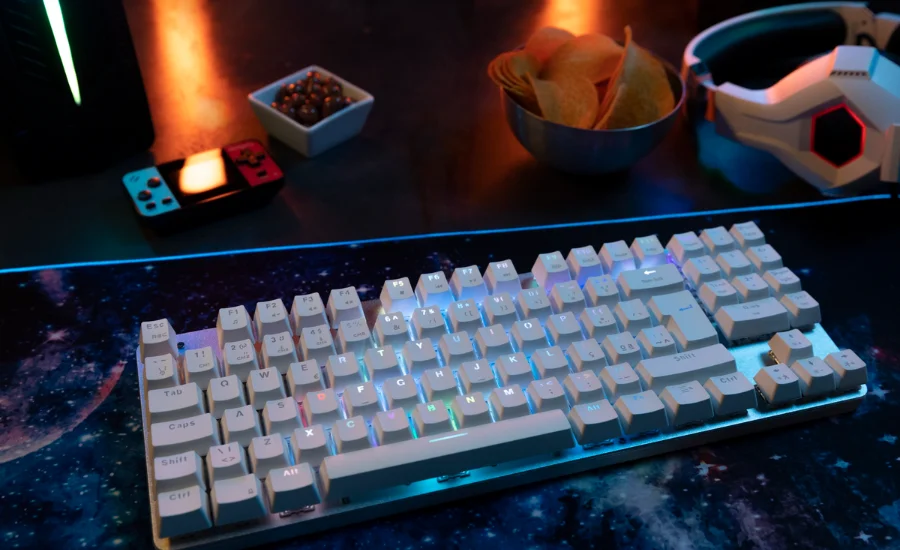
The word Kibard is commonly used by many people when they want to talk about a keyboard. Although the correct spelling is “keyboard,” the meaning of Kibard is the same in daily usage. People often type Kibard because it matches how the word sounds when spoken. This spelling has become popular on search engines, mobile phones, and voice typing tools. Understanding what a Kibard is and how it works is very important in today’s digital world because typing remains a basic skill for communication, work, and learning. From students writing assignments to office workers sending emails, the Kibard plays a central role in daily life.
The modern times, technology is changing fast, but the keyboard is still one of the most trusted input tools. Even with voice commands and touch screens, typing gives better control, privacy, and accuracy. This article explains everything about Kibard in very simple English so that beginners and everyday users can easily understand it without confusion.
What is Kibard?
The word Kibard does not describe a different product or technology. It is simply another way people spell the word keyboard. This spelling usually comes from pronunciation habits, especially among users who learned English by listening instead of reading. When the word keyboard is spoken quickly, it sounds very similar to Kibard, which explains why many people type it this way online.
Search engines are smart enough to understand this difference. When someone searches for Kibard, they usually want information about keyboards. This illustrates how language evolves in tandem with technology and how user behavior impacts online trends.
Why People Commonly Search for Kibard Online
One major reason people search for Kibard is mobile typing. On small screens, users focus more on speed than spelling. Another reason is voice typing, where mobile assistants sometimes convert spoken words into Kibard instead of keyboard. Global internet use has also increased, and many users who are not native English speakers spell words based on sound.
Because of this, Kibard has become a widely recognized term, even though it is not officially correct. This trend shows how digital language adapts to user habits.
What Is a Keyboard and Why It Is Important
A keyboard is an input device that allows users to enter text, numbers, and commands into electronic devices. When a key is pressed, a signal is sent to the system, and the action appears on the screen. This process happens very quickly, making typing one of the fastest ways to communicate with machines.
Keyboards are important because they allow precise input. Writing long documents, coding software, sending messages, and entering passwords are all easier and safer with a keyboard. This is why the Kibard remains essential even in advanced technology.
Devices That Use a Kibard in Daily Life
Keyboards are used in many devices beyond desktop computers. Laptops come with built-in keyboards, while tablets and smartphones use virtual keyboards. Smart TVs, ATMs, cash registers, and even modern cars use keyboard-based input systems.
This wide usage shows that the concept of a Kibard is everywhere. Even when the physical form changes, the basic idea of typing remains the same.
Evolution of the Kibard Over Time
The keyboard has evolved from mechanical typewriters used in the 19th century. Early keyboards were heavy and noisy, but they laid the foundation for modern designs. As computers developed, keyboards became lighter, faster, and more comfortable.
In recent years, keyboards have improved in design, durability, and functionality. Wireless connections, ergonomic layouts, and smart software features have made typing easier and more efficient than ever before.
Physical Kibard and Its Everyday Use
A physical keyboard has real keys that users press with their fingers. These keyboards are commonly used with computers and laptops. Physical keyboards are preferred for long typing sessions because they reduce typing mistakes and provide better feedback.
Office workers, writers, and students often choose physical keyboards because they help maintain typing speed and accuracy over time.
Mechanical Kibard Explained in Detail
Mechanical keyboards use individual switches under each key. When a key is pressed, the switch activates and sends a clear signal. This creates a noticeable typing feel that many users enjoy. Mechanical keyboards are known for their durability and long lifespan.
In recent years, mechanical Kibards have become popular among gamers and professional typists. They are designed to handle heavy use and provide consistent performance.
Membrane Kibard for Daily Use
Membrane keyboards use a soft rubber layer beneath the keys. When a key is pressed, the rubber membrane completes the circuit and registers the input. These keyboards are quieter and lighter compared to mechanical keyboards.
Most homes and offices use membrane Kibards because they are affordable, easy to use, and require very little maintenance. Beginners often find them comfortable because the keys feel soft and smooth.
Wired Kibard and Its Benefits
A wired kibard connects to a computer or other device using a physical cable, usually through a USB port. This direct connection provides very stable and consistent performance because there is no interference or signal drop. Wired kibards do not rely on batteries or charging, which means they work continuously without interruption. This makes them ideal for long working hours where reliability is important.
Because of their simplicity and dependability, many offices and professional environments still prefer wired keyboards. They are easy to set up, usually last a long time, and are less expensive than many wireless options. For users who want a keyboard that always works without worrying about battery life or connectivity issues, a wired kibard is a practical and trusted choice.
Wireless Kibard and Modern Flexibility
Wireless keyboards connect to devices using Bluetooth or small USB receivers, allowing users to type without being physically connected by a cable. This wireless setup helps keep desks clean and organized while also giving users the freedom to work from a distance. It is especially useful in modern offices, home workspaces, and presentation settings.
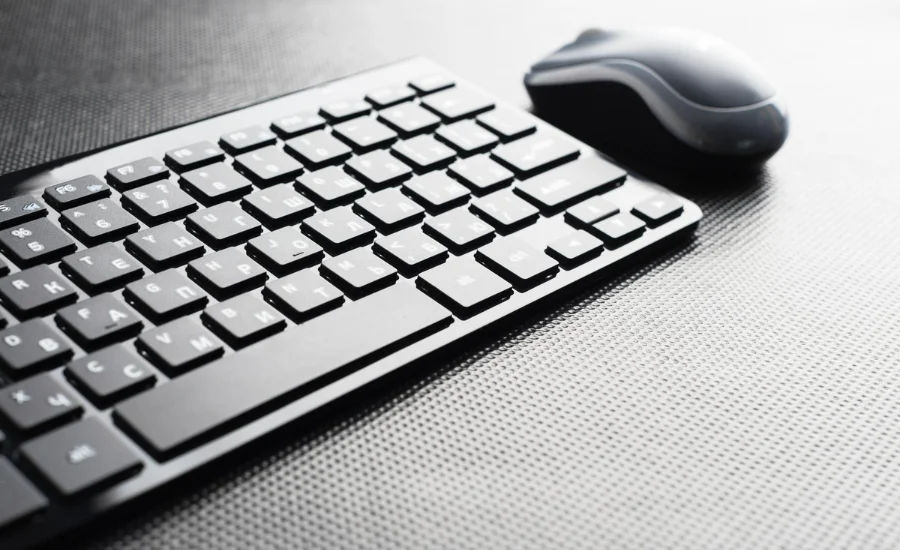
In recent years, wireless kibards have improved greatly in performance. Modern models offer long battery life, fast response times, and stable connections that feel almost the same as wired keyboards. Because of these improvements, wireless kibards are now widely used by remote workers, students, and casual users who value flexibility and convenience.
Virtual Kibard on Mobile Devices
Mobile phones and tablets do not use physical keyboards. Instead, they rely on virtual kibards that appear on the screen whenever typing is needed. Users enter text by tapping individual letters or by swiping their fingers across the screen. These keyboards are designed to be compact while still offering full typing functionality.
Virtual kibards have made mobile communication fast and easy. They allow users to send messages, write emails, search the internet, and use social media without needing an external device. Because smartphones are used everywhere, virtual keyboards have become one of the most commonly used input methods in daily life.
Smart Features in Modern Kibard Technology
Modern keyboards come with many smart features that improve the typing experience. These include auto-correct, word suggestions, emoji recommendations, and voice typing. Such features help users type faster and reduce spelling mistakes, especially on mobile devices where typing space is limited.
Artificial intelligence plays a big role in these improvements. Today’s keyboards can learn how a user types, remember frequently used words, and provide better suggestions over time. This personalization makes typing smoother, faster, and more accurate, which is one of the biggest keyboard improvements in the last one to two years.
Keyboard Layouts and Their Importance
A keyboard layout refers to how letters, numbers, and symbols are arranged on a kibard. The most common layout is QWERTY, which is used in most countries around the world. However, there are also other layouts designed for different languages and typing preferences.
Using the right layout is important because it affects typing speed and comfort. When a layout matches a user’s language and habits, typing feels more natural and less tiring. For beginners especially, choosing a familiar layout helps build confidence and improves learning speed.
Language Support in Modern Kibard
Modern kibards support many languages, allowing users to type in different scripts and writing styles. Switching between languages is usually very easy and can be done through keyboard settings. This feature is extremely helpful for bilingual users or people who communicate with others around the world.
Language-based keyboards also include special letters, accents, and symbols that are necessary for correct writing. Because of this, users can write accurately in their native language without needing additional tools or software.
Parts of a Kibard Explained Clearly
A kibard is made up of different groups of keys, each with a specific purpose. Letter keys are used for typing words, number keys are used for numerical input, and function keys perform system-related tasks. Control keys such as Shift, Ctrl, and Alt change how other keys behave.
Understanding these key groups helps users work more efficiently. When beginners know what each part of the keyboard does, they can type with more confidence and make better use of keyboard features.
Typing Skills and Productivity
Good typing skills play a major role in productivity. When users type faster and more accurately, they can complete tasks in less time and with fewer errors. Proper posture, relaxed hands, and correct finger placement all help improve typing performance.
With regular practice, typing becomes automatic through muscle memory. This allows users to focus on their work or ideas instead of thinking about each key, making typing smoother and more comfortable over time.
Keyboard Shortcuts and Faster Work
Keyboard shortcuts are combinations of keys that perform actions quickly, such as copying text or switching between windows. These shortcuts are widely used in offices and professional environments because they save time and reduce repetitive actions.
Learning common shortcuts helps users work more efficiently and depend less on the mouse. Over time, shortcuts can significantly increase speed and make daily computer tasks easier.
Accessibility Features in Kibard Systems
Modern kibards include accessibility features designed for users with special needs. These features may include sticky keys, on-screen keyboards, voice input, and adjustable typing settings. They help people with limited mobility or vision issues use technology more easily.
Accessibility support ensures that keyboards are inclusive and usable by everyone. This focus on accessibility is an important part of modern keyboard design.
Choosing the Right Kibard for Your Needs
The right kibard depends on how and where it will be used. Students, office workers, writers, and gamers all have different requirements. Comfort, durability, price, and device compatibility should be considered before making a choice.
A well-chosen keyboard improves comfort, reduces strain, and makes daily tasks more enjoyable. Investing in the right keyboard can improve overall work quality.
Caring for Your Kibard Properly
Taking care of a kibard helps it last longer and perform better. Regular cleaning removes dust and dirt that can affect key response. Avoiding food and liquid spills also prevents internal damage. A clean keyboard is not only more reliable but also more hygienic. Proper care ensures smooth typing and a longer lifespan.
Common Kibard Problems and Solutions
Sometimes keyboards develop simple problems, such as keys not working or typing the wrong characters. These issues are often caused by dirt, incorrect language settings, or low battery in wireless models.
Most of these problems can be fixed easily by cleaning the keyboard, checking settings, or replacing batteries. Knowing basic troubleshooting saves time and money.
Difference Between Kibard and Keyboard
There is no actual difference between Kibard and keyboard. Kibard is simply a sound-based spelling that many people use while typing or speaking. The meaning remains the same in almost all situations. Understanding this helps avoid confusion when searching for information online.
Future of Kibard Technology
Keyboard technology will continue to improve with better artificial intelligence, ergonomic designs, and smarter personalization features. Voice typing and gesture input will support keyboards rather than replace them. Even as technology evolves, typing will remain an essential digital skill for communication and work.
Final Thoughts
The Kibard is one of the most important tools in modern life. Whether physical or virtual, it helps people communicate, learn, and work efficiently every day. Understanding how a keyboard works allows users to use technology with confidence and ease.
For more well-researched, Tech, and reader-focused content like this, keep exploring ForgeEditions.
