
Koriandri Explained: What It Is, Why It Matters, and How People Use It Today


Koriandri, also called coriander or cilantro, is one of the most widely used herbs around the world. Its bright green leaves, aromatic stems, and flavorful seeds have made it a staple in kitchens for thousands of years. Whether you are cooking Indian curries, Mexican salsas, or Middle Eastern dishes, koriandri brings a unique taste and freshness that is hard to replace.
Beyond flavor, this herb has a rich history and potential health benefits that make it important for both traditional and modern diets. Despite its popularity, many people still confuse its uses, thinking the leaves and seeds are interchangeable. Understanding the differences and knowing how to use each part properly can elevate cooking while also supporting wellness.
What Is Koriandri?
Koriandri is a plant scientifically known as Coriandrum sativum. It belongs to the parsley family and is widely grown for both its leaves and seeds. The fresh leaves, known as cilantro, are tender, green, and slightly citrusy.
They are commonly used raw or added at the end of cooking to preserve their flavor. The seeds, usually called coriander, are dried and ground into a warm, slightly sweet spice that adds depth to dishes. Both leaves and seeds have distinct flavors and culinary purposes, making koriandri a versatile plant that can adapt to a wide range of recipes.
The Origin of Koriandri
The history of koriandri goes back thousands of years. Archaeological evidence shows that coriander seeds were used in ancient Egypt in both cooking and medicine. The herb spread to the Mediterranean, the Middle East, and later to South Asia through trade. In India, coriander became a fundamental part of traditional cuisine and Ayurvedic medicine.
As explorers traveled, the herb reached Europe and the Americas, where it adapted to local tastes. Today, koriandri is grown worldwide and is appreciated for its culinary versatility and potential health benefits.
The Parts of the Koriandri Plant
Every part of the koriandri plant can be used in cooking. The leaves, or cilantro, are fresh and aromatic, often added at the end of cooking. The stems are also edible and provide a milder flavor. The roots, which are mainly used in Thai cooking, have a potent aroma and add rich flavor to soups and sauces. The seeds, dried and ground, provide a warm and earthy taste that is integral to many spice mixes. This flexibility allows cooks to use the plant in multiple ways, enhancing both flavor and aroma.
Flavor Profile of Koriandri
The flavor of koriandri varies depending on the part used. Fresh leaves are bright and citrusy, often described as refreshing. Some people perceive them as slightly soapy, which is due to genetic differences in taste perception.
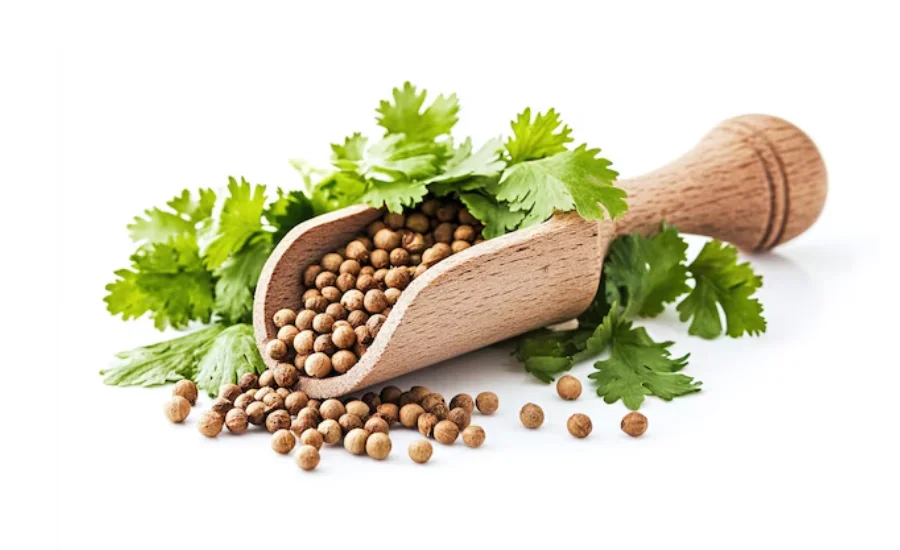
The seeds have a warm, earthy, and slightly sweet flavor that complements curries, soups, and roasted dishes. The roots have a concentrated aroma that intensifies soups and sauces. Understanding these flavor profiles helps in using koriandri effectively in different recipes.
Culinary Uses of Fresh Leaves
Fresh koriandri leaves are often used to finish dishes rather than cook them. They are ideal in salads, salsas, chutneys, and garnishes for curries and soups. In Indian cuisine, fresh leaves are sprinkled on top of lentil dishes and vegetable curries to enhance aroma.
In Mexican cuisine, cilantro is used in tacos, guacamole, and salsa. The subtle citrus notes of the leaves brighten flavors without overpowering other ingredients, making them essential in many global cuisines.
Culinary Uses of Seeds
Coriander seeds are used differently from the leaves. They are typically toasted or ground to release their aromatic oils, providing a warm and earthy flavor. Ground coriander is added to spice mixes, curries, stews, and marinades. The seeds blend well with other spices like cumin, turmeric, and ginger. In some cuisines, whole seeds are used to infuse oils or liquids, imparting a subtle yet distinct flavor. The versatility of the seeds ensures they remain a core ingredient in traditional and modern cooking.
Traditional Uses in Medicine
Koriandri has been valued in traditional medicine for centuries. In Ayurveda, both leaves and seeds are used to support digestion, reduce bloating, and alleviate mild inflammation. Ancient texts mention coriander as a remedy for digestive discomfort and to support overall health.
In Middle Eastern traditional medicine, coriander seeds are often used to stimulate appetite and relieve stomach issues. These long-standing practices show the importance of koriandri beyond flavor.
Modern Health Benefits
Modern research has begun to confirm some traditional claims. Koriandri leaves contain vitamins A, C, and K, as well as antioxidants that protect cells from oxidative stress. Studies suggest coriander may support digestion, help maintain healthy cholesterol levels, and offer mild anti-inflammatory effects.
The seeds contain fiber and essential minerals, which may contribute to metabolic health. Some studies also indicate antimicrobial properties, which could help protect against certain bacteria when consumed as part of a balanced diet. While koriandri is not a medicine, regular inclusion in meals can support wellness naturally.
Also More: Aaron Kendrick De Niro
Koriandri and Digestion
One of the most celebrated benefits of koriandri is its effect on digestion. Both the seeds and leaves contain compounds that may stimulate digestive enzymes and improve gut comfort. In traditional practices, coriander water made from seeds is often consumed after meals to aid digestion. Modern wellness trends continue to recognize this benefit, incorporating coriander into teas, juices, and post-meal beverages.
Koriandri in Fusion Cuisine
In recent years, koriandri has found a place in modern fusion cooking. Chefs are experimenting with coriander in pesto, smoothies, grain bowls, and even baked goods. Its bright, fresh leaves can complement unconventional ingredients like avocado, mango, or nuts, while the seeds add depth to spiced desserts or roasted vegetables. This trend shows the herb’s adaptability, allowing traditional flavors to merge with contemporary culinary creativity.
Growing Koriandri at Home
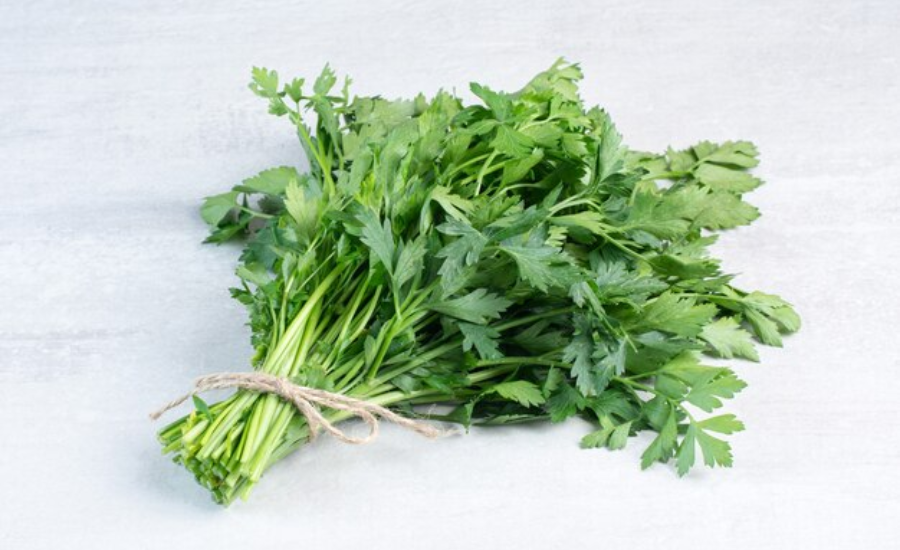
Growing koriandri at home is simple and rewarding. The plant prefers sunny spots with well-drained soil. Seeds can be sown directly into the soil or in containers, spaced properly to allow airflow. Regular watering keeps the soil slightly moist without waterlogging.
Leaves can be harvested once the plant reaches around six inches tall, and gentle trimming encourages continued growth. Homegrown coriander is often more flavorful than store-bought herbs, making it a valuable addition to the kitchen.
Storing Fresh Koriandri
To maintain freshness, coriander leaves can be stored in the refrigerator with stems in a glass of water, loosely covered with a plastic bag. Another method involves wrapping the leaves in a damp paper towel and placing them in an airtight container. Seeds should be stored in sealed containers away from heat and moisture to preserve flavor and aroma. Proper storage ensures that koriandri remains aromatic and nutritious for longer periods.
Safety and Considerations
Koriandri is generally safe for most people. However, some may have allergic reactions or find the leaves soapy due to genetic sensitivity. People taking blood-thinning medications should be aware that coriander contains vitamin K, which may influence clotting. In normal culinary amounts, koriandri is safe and widely recognized as a food ingredient globally. Moderation and awareness of individual sensitivities are sufficient to enjoy its benefits without issues.
Incorporating Koriandri in Daily Meals
Adding coriander to daily meals can be simple and effective. Fresh leaves enhance salads, soups, and sauces. Ground seeds can be added to curries, stews, and roasted vegetables. Coriander water or herbal teas made with seeds offer a gentle digestive aid. The herb can also be blended into smoothies or pesto for a fresh twist. Regular inclusion of koriandri helps maintain nutritional intake, enhances flavor, and promotes healthy cooking habits.
Cultural Importance of Koriandri
Koriandri is not only a culinary herb but also holds cultural significance. In Indian cuisine, it is essential in curries and chutneys. In Mexican cuisine, cilantro is vital in salsas and tacos. The herb has been celebrated for centuries in Mediterranean and Middle Eastern dishes. Its global presence reflects both its adaptability and enduring value as a staple ingredient.
Koriandri in Modern Wellness Trends
Beyond cooking, koriandri has been incorporated into wellness practices. Plant-based diets often include coriander for flavor and nutrition. Detox drinks, functional teas, and nutrient-rich smoothies use the herb to enhance taste and health benefits. Modern fusion recipes use coriander creatively, combining traditional flavors with new ingredients. Its role in these trends highlights how a classic herb continues to remain relevant in contemporary nutrition and culinary practices.
Why Koriandri Remains Relevant Today
Koriandri remains relevant because it combines flavor, nutrition, and versatility. It enhances the taste of dishes while contributing essential vitamins, minerals, and antioxidants. Its adaptability allows it to blend seamlessly with traditional and modern cuisines. From enhancing salads and soups to adding depth to complex spice blends, koriandri has maintained its importance across cultures, cuisines, and generations.
Conclusion
Koriandri, also known as coriander or cilantro, is far more than just a culinary herb. Its fresh leaves, flavorful seeds, and aromatic roots offer versatility in cooking, while its nutritional content supports overall health. With a history stretching back thousands of years, the herb has earned a place in kitchens around the world. Modern trends continue to incorporate koriandri in fusion dishes, wellness beverages, and plant-based diets, demonstrating its timeless value. Understanding how to use each part of the plant effectively, storing it properly, and incorporating it regularly into meals ensures that this remarkable herb continues to delight palates while supporting nutrition and wellness today.
FAQs
1. What is the difference between coriander seeds and cilantro leaves?
Cilantro refers to the fresh leaves of the coriander plant, which are bright, aromatic, and slightly citrusy. Coriander seeds are dried and provide a warm, earthy flavor when ground. Both are used differently in cooking and have unique nutritional profiles.
2. Can koriandri help with digestion?
Yes, coriander leaves and seeds contain compounds that may stimulate digestive enzymes, reduce bloating, and promote gut comfort. Traditional remedies often use coriander seeds in water or tea after meals.
3. How should I store fresh coriander?
Fresh leaves can be kept in the refrigerator with stems in water or wrapped in a damp towel inside an airtight container. Seeds should be stored in sealed containers away from heat and moisture.
4. Can I grow koriandri at home?
Absolutely. Coriander grows well in sunny spots with well-drained soil. Seeds can be planted directly in soil or containers, watered regularly, and harvested once the plant reaches sufficient height.
5. Is koriandri safe for everyone?
Generally, yes. Some people may have allergies or find the flavor unpleasant due to genetic sensitivity. People on blood-thinning medications should be aware of its vitamin K content.
6. How can koriandri be used in modern cooking?
Coriander can be added to salads, soups, curries, stews, smoothies, sauces, pesto, and fusion dishes. Its fresh leaves provide brightness, while seeds add warmth and depth.